Alphaion is researching and developing advanced energy generation systems designed around the principles of reliability, efficiency and responsible energy production.
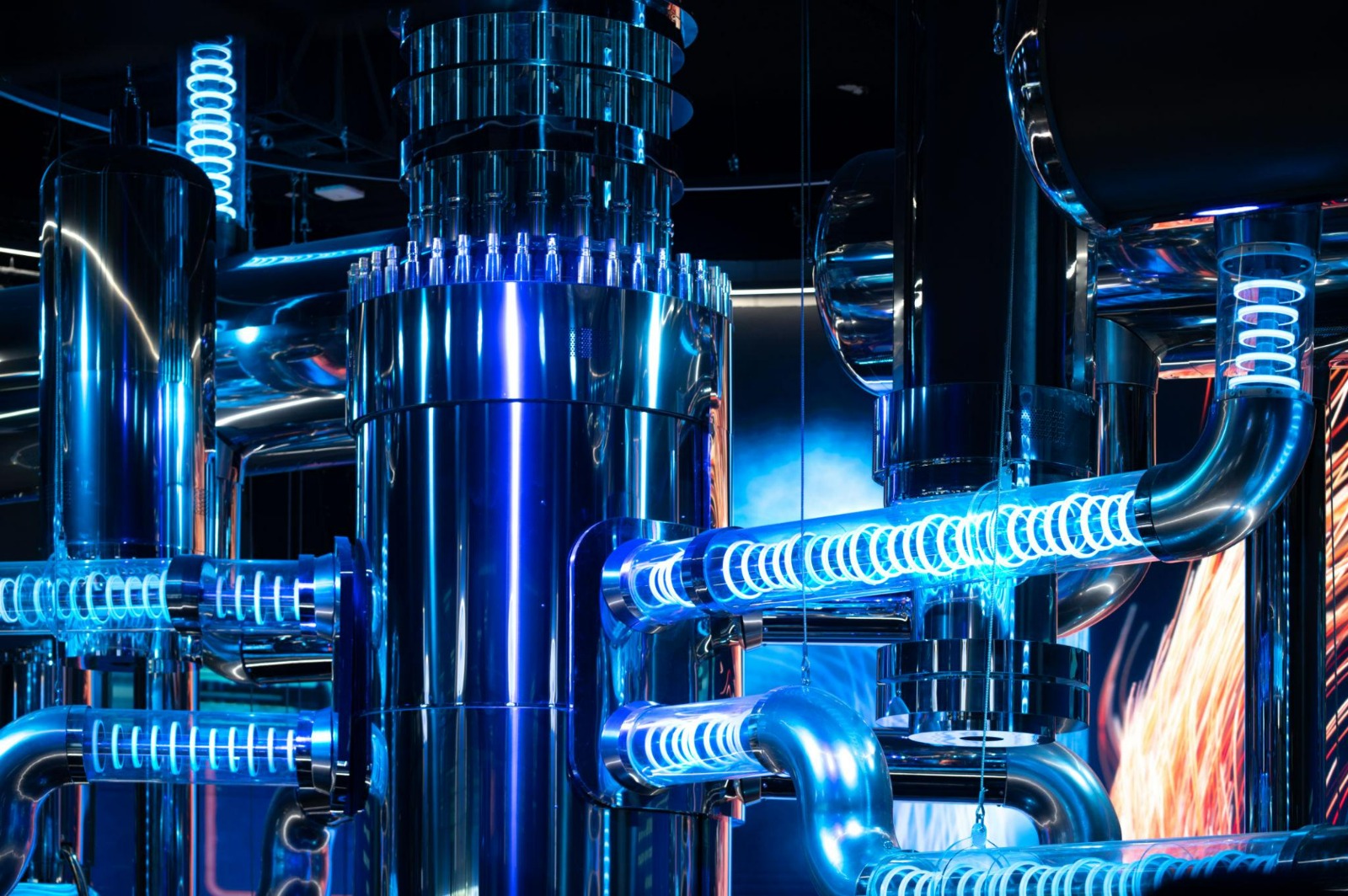
An ion is an atom or molecule that carries an electrical charge after gaining or losing one or more electrons. Alphaion's research explores how advanced physical and engineering processes involving charged particles and energy interactions can contribute to next-generation energy systems.
The focus is not simply on producing electricity, but on developing a technology platform that can be engineered for dependable output, intelligent control and practical deployment.
Research. Engineer. Validate. Scale.
A conceptual view of the technology pathway. Final terminology and process steps should be aligned with Alphaion's engineering documentation.
Energy enters the engineered system through the defined input stage.
The technology platform manages the underlying energy interaction.
Generated energy is captured and converted into usable electrical power.
Control systems regulate, monitor and optimise electrical output.
Electricity is supplied to the intended application through the output system.

The central technology platform responsible for the primary energy process.
Digital systems designed to supervise operating conditions and system performance.
Engineering systems intended to regulate heat and maintain stable operating conditions.
Converts generated energy into practical electrical output.
Multiple layers of monitoring, control and protection built into the architecture.
Delivers usable electricity for downstream infrastructure and applications.
Designed around applications where dependable electricity is essential.
Technology development focused on adaptability across different energy requirements.
Exploring advanced approaches to energy generation and infrastructure design.
Monitoring and control systems designed to optimise system operation.
Developing technology with environmental considerations at its core.
Supporting resilient energy infrastructure for critical applications.
Technology development should not focus solely on performance. Safety, system stability and responsible engineering must be considered throughout the development lifecycle.
Alphaion's safety framework should evolve alongside engineering validation, testing and deployment readiness.
Engineering controls designed into the core system.
Ongoing observation of critical operating parameters.
Control logic designed to maintain stable system behaviour.
Protective measures intended to support safe operating states.
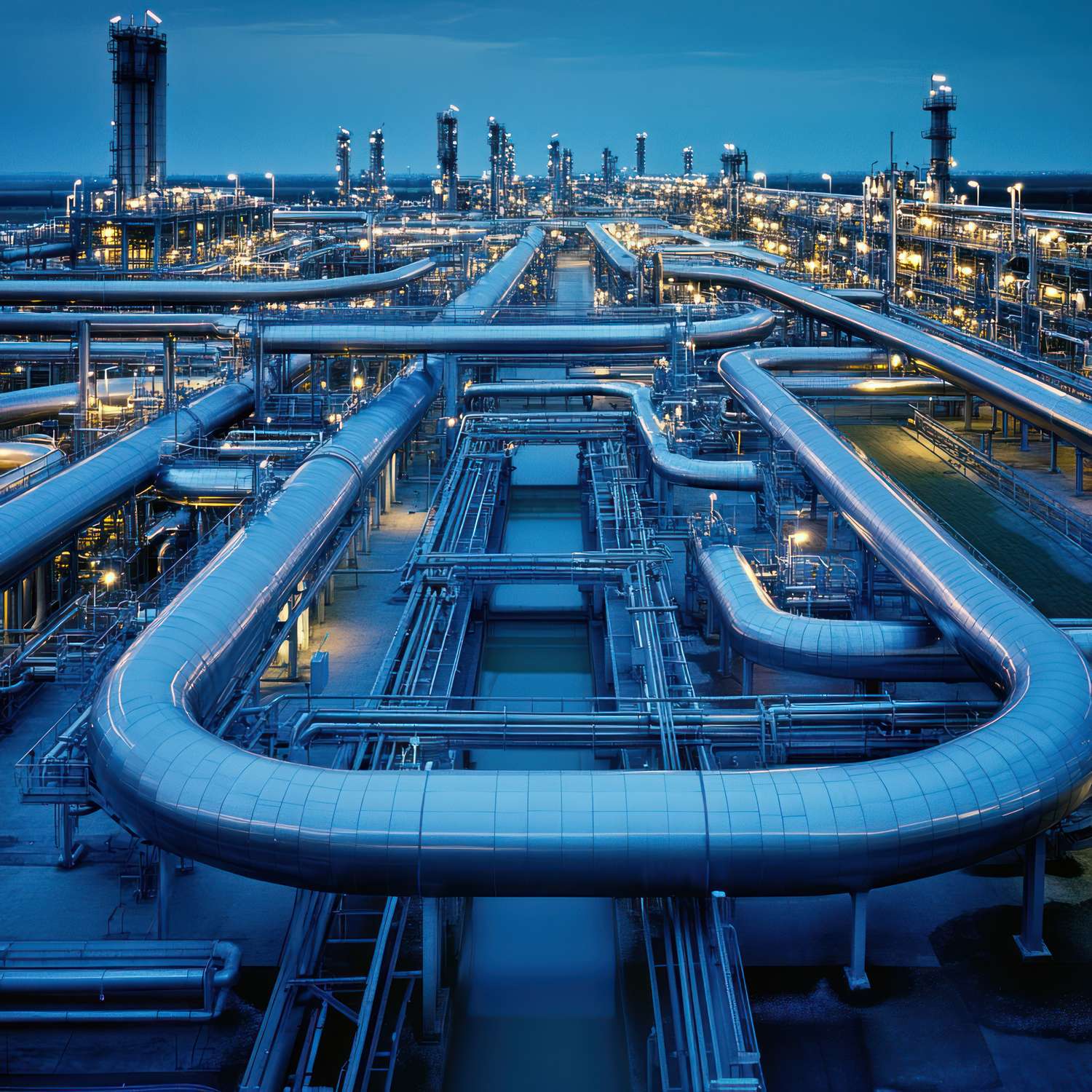
Powering energy-intensive operations and large industrial facilities.
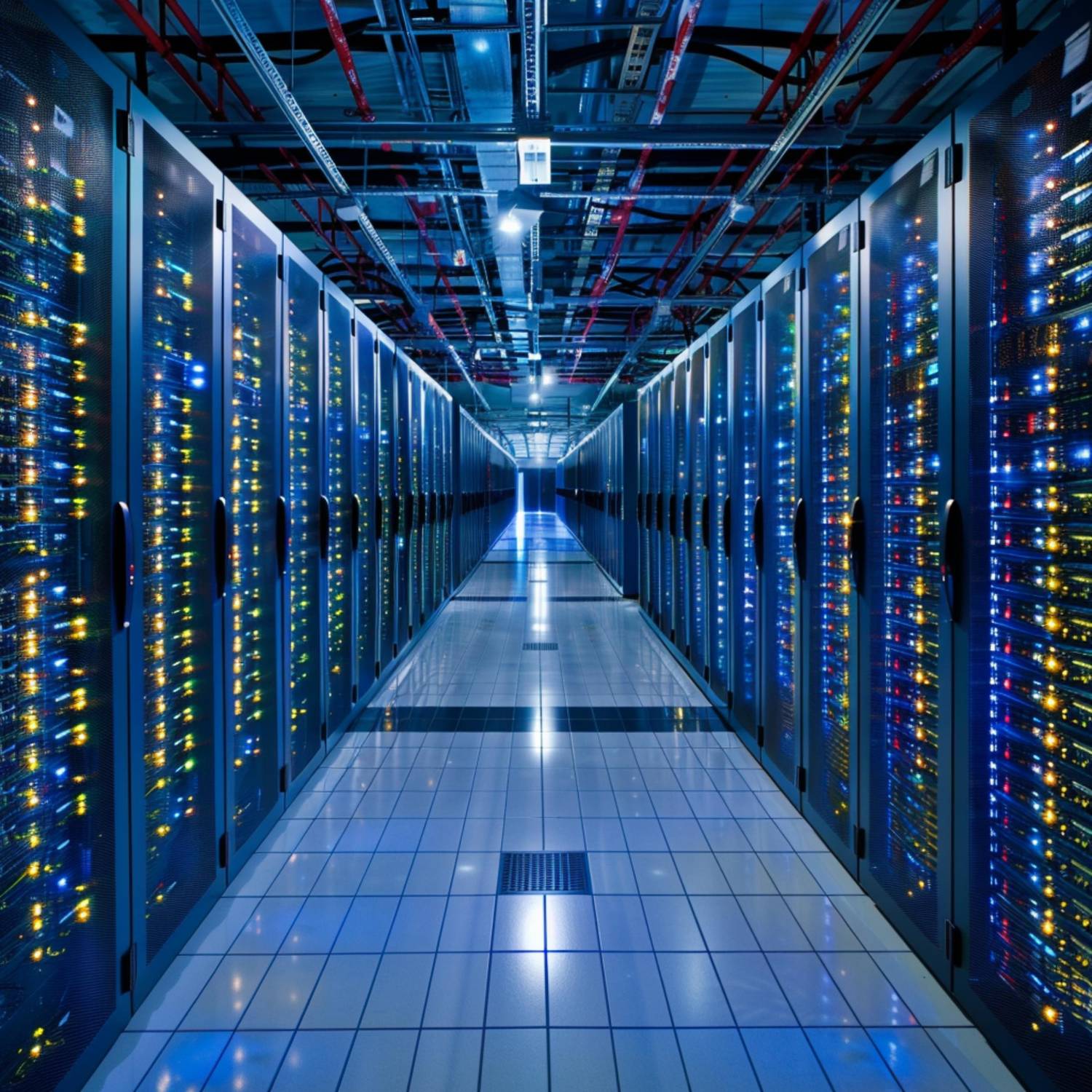
Supporting always-on digital infrastructure with dependable energy.
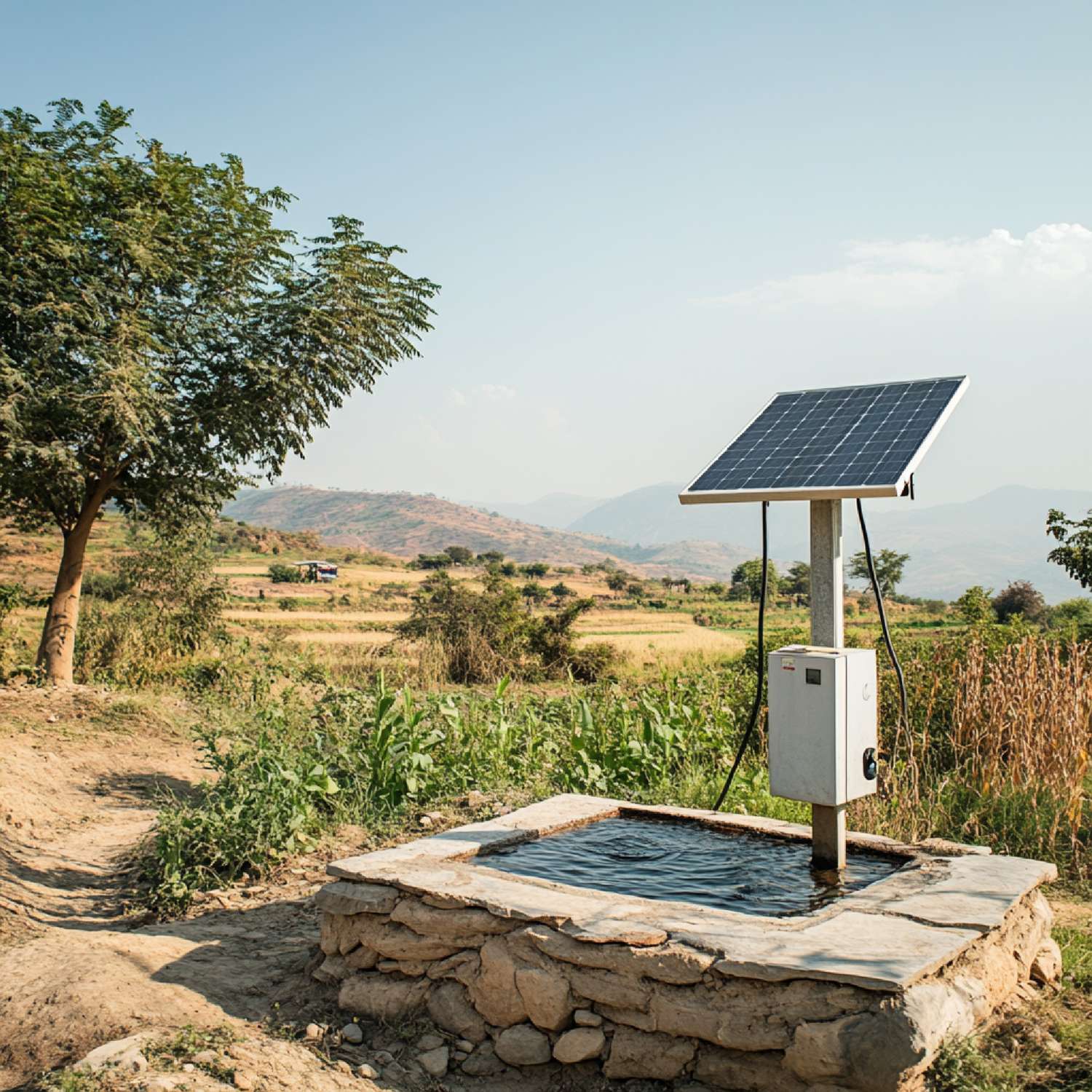
Taking dependable energy beyond conventional grid limitations.

Supporting large facilities, developments and mission- critical sites.

Strengthening strategic infrastructure and long-term energy security.
Scientific exploration and foundational technology work.
Translate principles into engineered systems and subsystems.
Build functional prototypes and refine core architecture.
Assess performance, safety, reliability and repeatability.
Evaluate the system under representative operating conditions.
Prepare validated technology for wider real- world deployment.
Let's explore what comes next through science, engineering and responsible
innovation.